

 Close
Close
Discover Korea: Your Gateway to Culture, Nature and Hallyu Magic
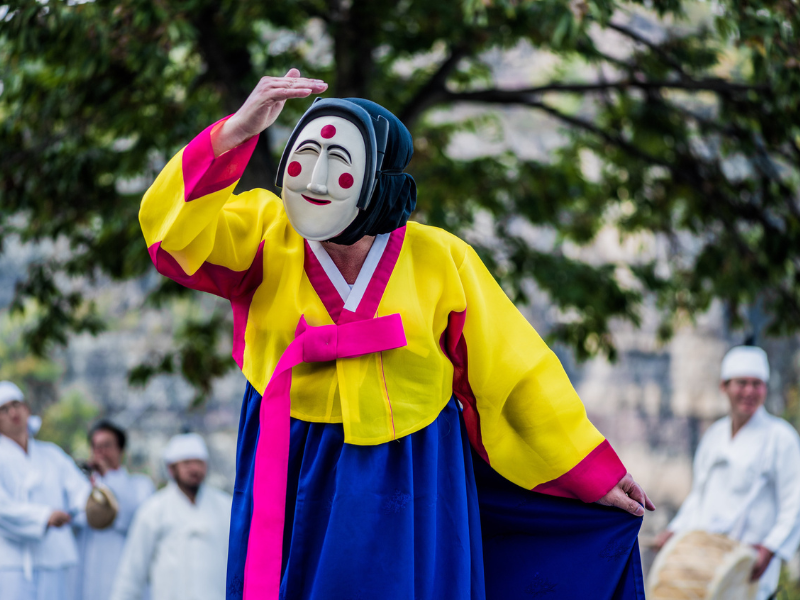
From mist-cloaked peaks like Seoraksan to the rustic charm of Bukchon Hanok Village, Korea’s cultural tapestry invites exploration. Walk ancient trails where Buddhist monks once meditated, or sip barley tea in a 600-year-old hanok. Did you know Andong Hahoe Village preserves mask dances dating to the Goryeo Dynasty? The fish markets of Busan—Jagalchi’s briny symphony of octopus and sea squirts—reveal Korea’s maritime soul. These living museums blend heritage with modern vitality, whether you’re harvesting crimson persimmons or watching artisans craft celadon pottery.
Ride the Hallyu Wave Beyond Your Screen
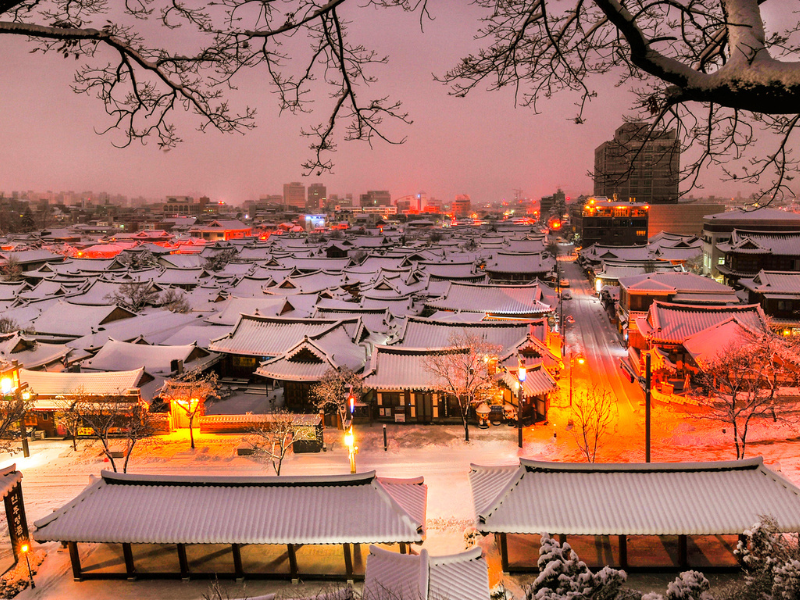
K-pop’s global dominance is just the tip of Korea’s cultural revolution. Walk Gangnam’s neon-lit streets where BTS filmed music videos, or visit N Seoul Tower’s love locks immortalised in dramas. The Korean Wave Museum in Seoul traces K-culture’s evolution from pansori folk songs to Squid Game’s dystopian allure. Fun fact: Jeonju’s Hanok Village moonlights as a historical drama set, its tiled roofs framing Instagram-perfect shots. Beyond glittering concerts, Hallyu thrives in skincare rituals taught by Seoulites and mukbang shows devouring spicy tteokbokki.
Trace Millennia Through Palaces and Pagodas
Gyeongbokgung’s changing of the guard echoes Joseon-era pageantry, while Gwanghwamun Square’s King Sejong statue honours the leader that invented hangeul. Beneath Busan’s skyscrapers lie tombs from the 4th-century Geumgwan Gaya kingdom. Korea’s history isn’t confined to textbooks—it’s tasted in Andong’s 400-year-old soju recipes and touched in the bullet-scarred DMZ walls. The UNESCO-listed Jongmyo Shrine hosts ritual dances unchanged since 1395, proving tradition thrives beside Samsung’s AI labs.
Nature's Sanctuary: From Volcanic Peaks to Healing Forests
Jeju’s Hallasan—a dormant volcano crowned with crater lakes—offers hikes through subtropical forests where ponies graze. Korea’s 22 national parks hide gems like Suncheonman’s migratory crane wetlands. Forest bathing in Jirisan’s pine-scented trails aligns with Korea’s well-being philosophy, while Sokcho’s beaches transition from summer water sports to winter ice fishing. Insider tip: Visit Boseong’s emerald tea plantations in May when fog swirls through rows of Camellia sinensis
Savour Stories Told Through Banchan and Bibimbap
Korean cuisine unfolds like a 30-dish royal court meal—each banchan bursting with flavour. Busan’s ssiat hotteok (seed pancakes) sweeten seaside strolls, while Jeonju’s bibimbap arrives in brass bowls polished by generations. Makgeolli rice wine, once farmers’ fuel, now fuels Seoul’s hipster bars. Forage for wild greens in springtime markets, or join a kimchi-making workshop where cabbages meet chilli-laced alchemy. Don’t miss Jinju’s night market, where squid ink burgers collide with traditional hangover soups.
Plan Your Korean Odyssey with KTO's Expertise
The Korea Tourism Organisation’s London office is here to help with recommended itineraries, top travel tips, guidebooks, maps and anything you need to plan your visit. Subscribe to the monthly newsletter for the latest updates and inspiration. Have a quick question? Check out the 24-hour 1330 Helpline Chat on the Visit Korea website, or call KTO on the number below.
Destination videos


This is My Korea with Son Heung-min
Destination galleries




Destination contact details
105 Piccadilly, London W1J 7NJ, London, United Kingdom
Tel02073212535
Emaillondon@knto.or.kr
Socials


